
Class Conflict
The Grapes of WrathDepicts the struggle between the wealthy landowners and the impoverished migrant workers, a central tension in the novel.
increasing Bearing strength in each event
 decreasing
Bearing strength in each eventdecreasingThe Owners vs. The Tenants
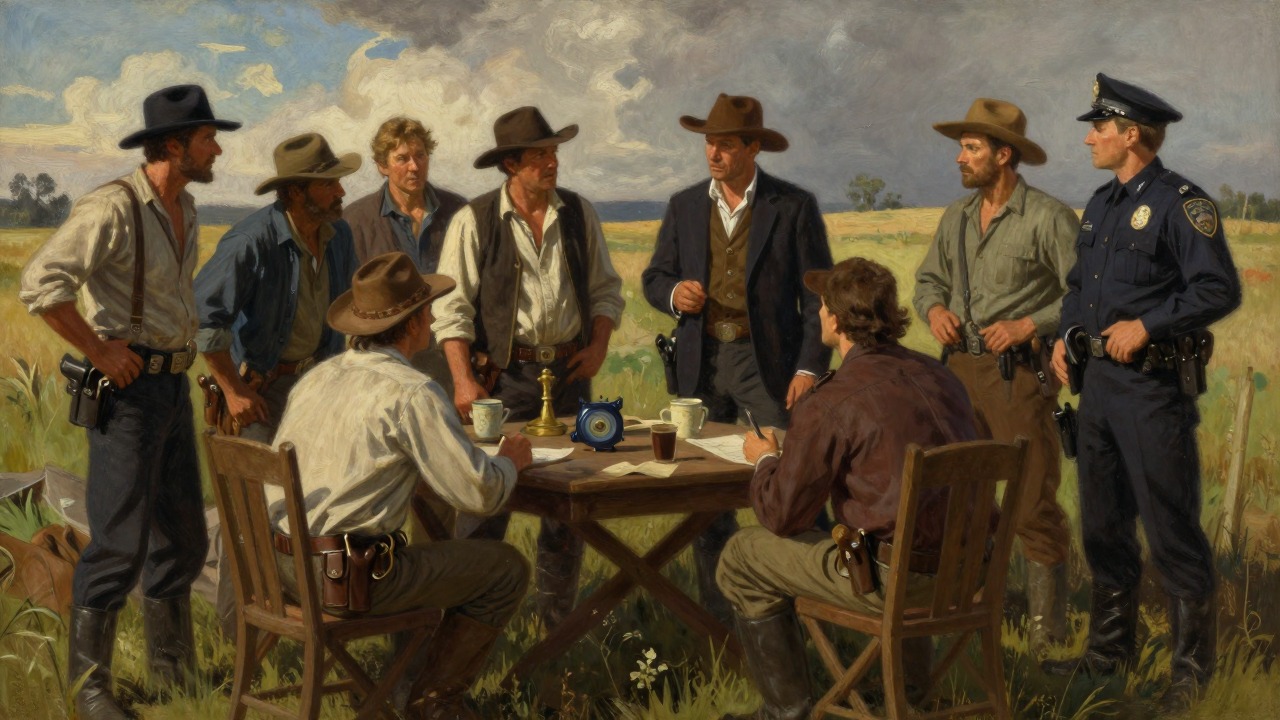
The Dispossession
The Meeting
The owner men come to tell the tenants they must leave. The tenants argue that the land is theirs by birth. The owners say the bank owns it.
The Power Imbalance
The tenants are powerless. They have no money, no lawyers. The owners have the law and the police. The conflict is unequal.
The Result
The tenants are forced off. The tractors move in. The class divide is clear. The rich get richer, the poor are displaced.
The Strike
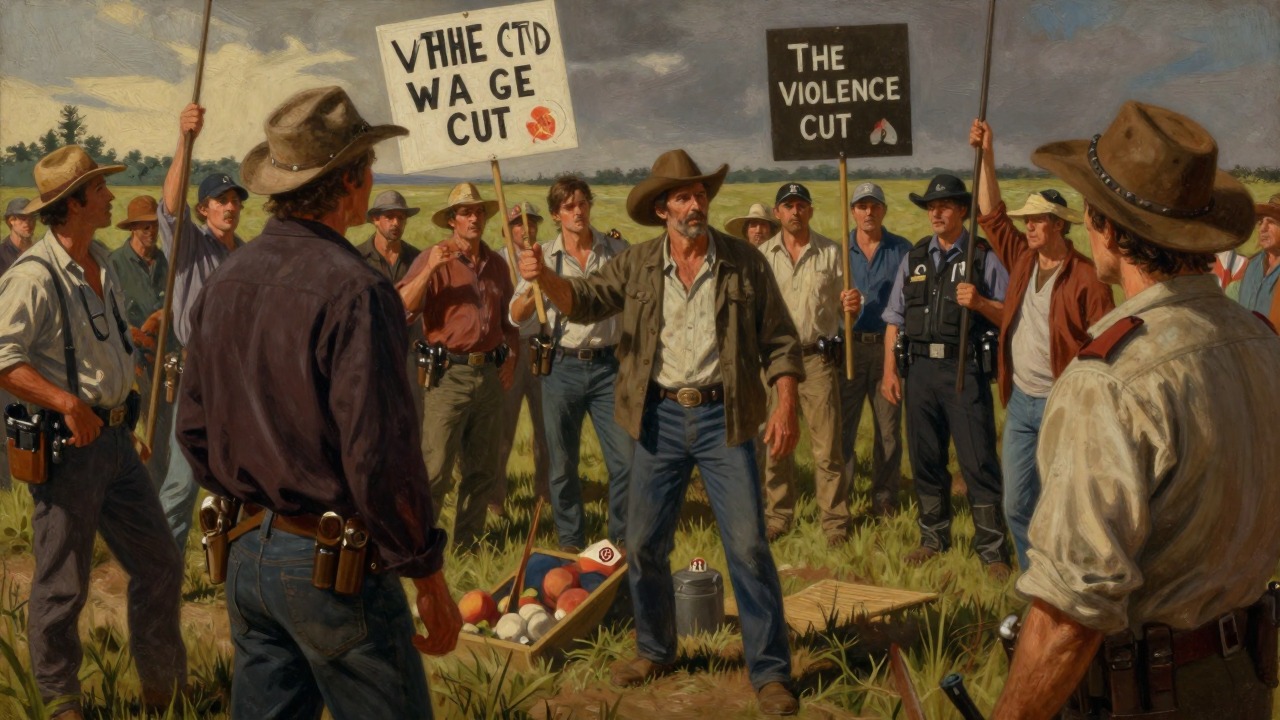
The Resistance
The Wage Cut
The peach pickers strike against a wage cut. The owners bring in strikebreakers. The conflict is direct.
The Violence
The owners use vigilantes and police to break the strike. Jim Casy is killed. The workers are defeated.
The Lesson
The strike shows the power of the owners. They control the means of production and the state. The workers cannot win without unity.
The Cotton Picking
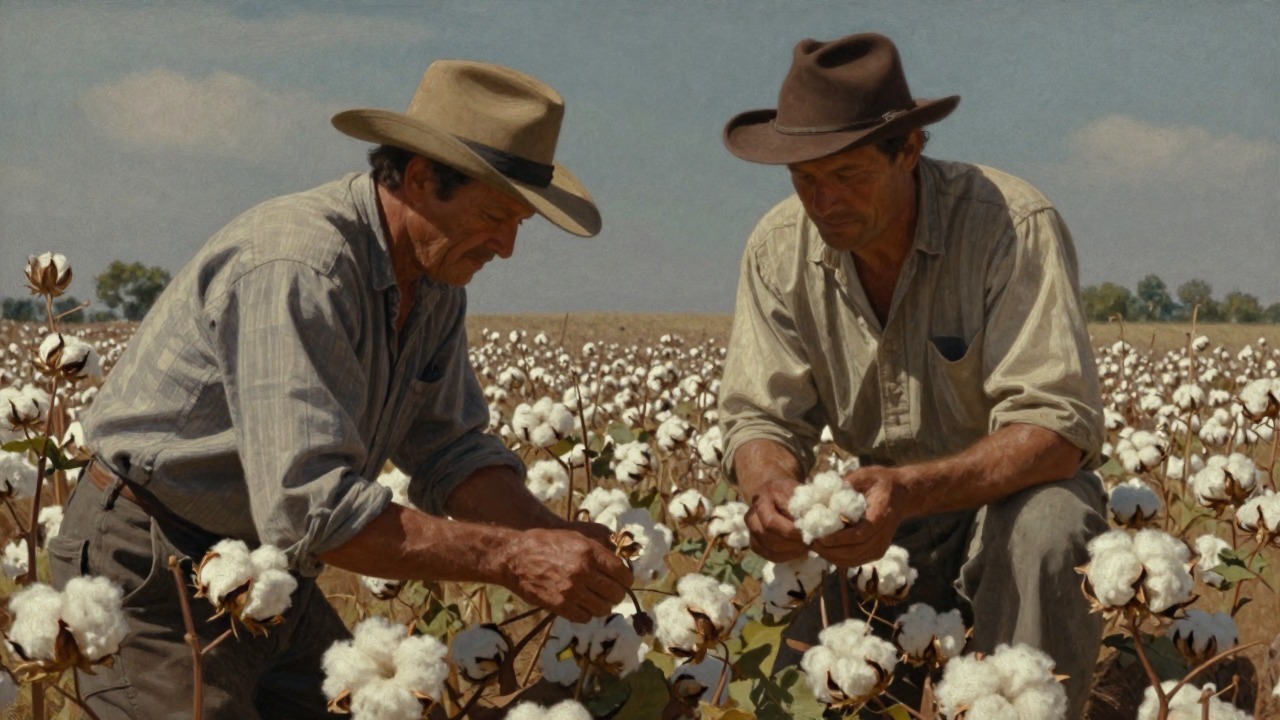
The Temporary Truce
The Work
The Joads pick cotton for a small farmer. The pay is low but better than nothing. The class conflict is muted.
The End of Season
When the cotton is gone, the work ends. The family is again without income. The class system offers no security.
The Cycle
The migrants are a reserve army of labor. They are used when needed and discarded. The class conflict is structural.
early in the story, during the eviction
at the Hooper ranch
during the cotton season
